Skip to content
Spend over $150 & get FREE Shipping Australia Wide Build their learning bundle — toys, games & educational resources delivered free.
FREE
Skip to product information
Description

Junior Learning · Non-Fiction Decodable Readers · Letters & Sounds

Real-world reading practice that grows with their phonics

Help children practise decoding through fascinating non-fiction books carefully written around the sounds and phonics patterns they have already been taught.

Clear photographic images and factual topics give developing readers another reason to keep turning the page while they build reading confidence through controlled decodable text.
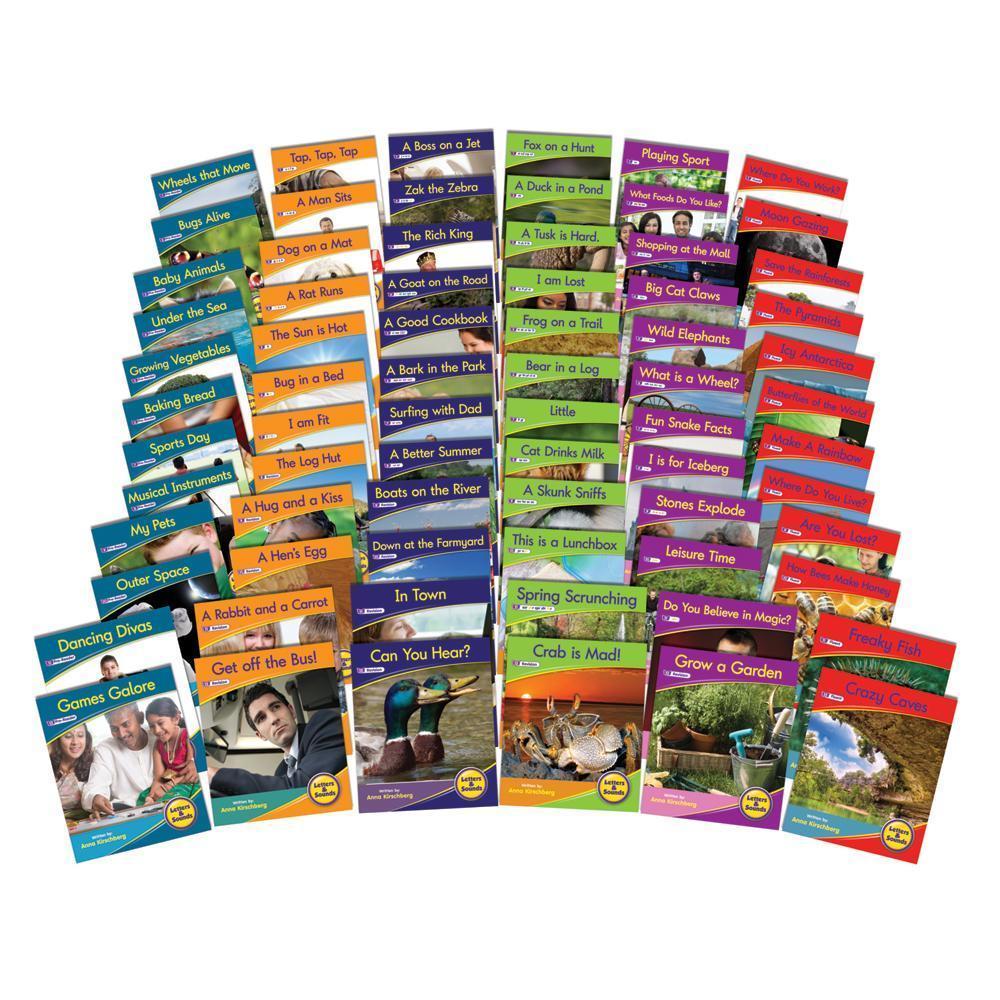
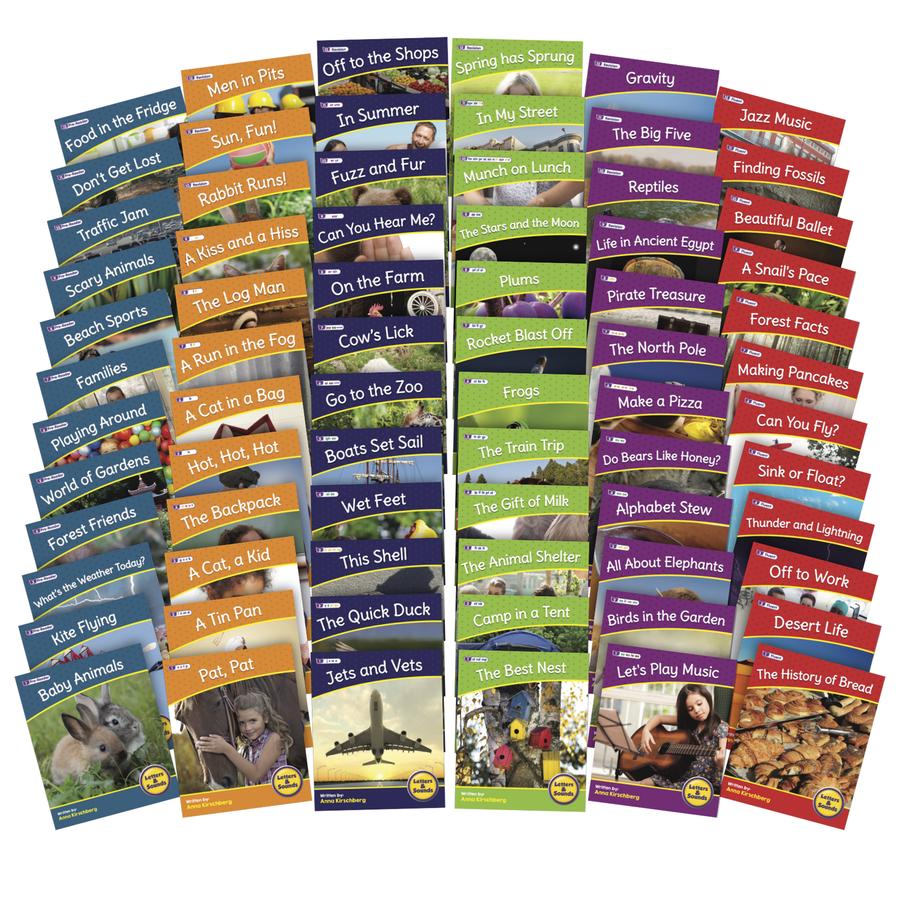
Junior Learning non-fiction decodable reader library across the Letters and Sounds phases
12 readers per phase Clear photographic images Letters & Sounds progression
1–6 Progressive phonics phases
12 Readers per phase
4 Library versions to choose from

Phonics practice meets real-world discovery

Why choose non-fiction decodable readers?

🔤

Practise phonics they know

Controlled text gives children opportunities to apply sounds and phonics patterns that have already been introduced.

📷

Clear photographic images

Real photographs bring the topics to life while children practise reading increasingly independently.

🔎

Read to discover

Non-fiction gives children opportunities to practise decoding while learning about factual and real-world subjects.

Find the right reading stage

The six-phase reading journey

Choose the phase according to the phonics knowledge the child has already been taught rather than relying on age alone.

1

Phonemic Awareness

Speaking, listening and developing awareness of sounds in words.

2

Letter Sounds

Introduces the first letter sounds within the progression.

3

Phonics

Builds a wider bank of letter sounds and phonics patterns.

4

Blends

Develops reading of adjacent consonants and consonant blends.

5

Vowel Sounds

Introduces alternative vowel sounds and additional letter patterns.

6

Spelling

Consolidates earlier phonics and develops spelling patterns, suffixes and endings.

Age is only a guide

Approximate phase guidance

Phase 1Preschool–K • Approx. age 4
Phase 2K–1 • Approx. age 5
Phase 3K–1 • Approx. age 5
Phase 4K–1 • Approx. ages 5–6
Phase 5K–2 • Approx. ages 5–7
Phase 6Grade 1–2 • Approx. ages 6–7

Non-fiction or fiction?

Both practise decoding — choose the reading style they enjoy

🔎

Non-Fiction

You are viewing the non-fiction library. Children practise decoding through photographic images, factual topics and real-world content.

📚

Fiction

Fiction readers give children opportunities to practise the same developing decoding skills through illustrated stories, characters and imaginative situations.

Home reading • classroom libraries • literacy support

A flexible way to add more reading practice

🏠

At home

Match books to the phonics being taught at school so children can practise the same skills through another reading format.

🏫

In the classroom

Suitable for classroom libraries, small-group reading, literacy practice and home-reading programs.

🔬

For fact-loving readers

Non-fiction can provide valuable variety for children who are particularly motivated by factual and real-world topics.

Detailed phonics reference

What is covered in each phase?

Open a phase below if you need to check the detailed sounds and spelling patterns without having them fill the whole product page.

Phase 1 — Phonemic Awareness, Speaking & Listening

Focuses on phonemic awareness, speaking and listening before progressing into the individual letter-sound sequence.

Phase 2 — Letter Sounds

s a t p i n m d g o c k ck e u r h b f ff l ll ss

Phase 3 — Phonics

j v w x y z zz qu ch sh th ng ai ee igh oa oi oo ow ar air ear er ur or ure

Phase 4 — Blends

st nd mp nt nk ft sk lt lp lf lk pt xt tr dr gr cr br fr bl fl gl pl cl sl sp sw tw sm pr sc sn nch scr shr spr str thrt

Phase 5 — Vowel Sounds

ay ou ie ea oy ir ue aw wh ph ew oe au ey a-e e-e i-e o-e u-e /zh/

Phase 6 — Spelling

-s   -es   -ing   -ed   -ful   -er   -est   -en   -y   -ly

Helpful answers

Non-Fiction Decodable Reader FAQs

What are decodable readers?

Decodable readers use carefully controlled text so children can practise reading words using phonics knowledge they have already been taught.

What makes these non-fiction readers different?

The non-fiction range combines controlled decodable text with photographic images and factual or real-world topics.

Should I choose the phase by age?

Age can be a useful general guide, but the child's current phonics knowledge is more important. Choose the phase containing the sounds and patterns they have already been taught.

What versions can I choose on this page?

The current product options are Set 1, Set 2, Science and Real World. Select your preferred version above the Add to Cart button.

Are the student workbooks included?

No. The workbooks are separate resources and can be chosen by phase using the links above.

Should children read fiction as well as non-fiction?

Both formats can provide useful decoding practice. Fiction offers stories and imaginative situations, while non-fiction provides factual and real-world reading. Offering both can give children more variety in their reading practice.

Decodable Readers Library - NON FICTION Books - By Junior Learning

Sale price $249.00
Regular price $260.00You saved 4% OFF

Tax included. Shipping calculated at checkout

  • Set 1
  • Set 2
  • Science
  • Real World

FREE SHIPPING on orders over $150

Secure Encrypted Payments

Everyday Low Prices

Junior Learning · Non-Fiction Decodable Readers · Letters & Sounds

Real-world reading practice that grows with their phonics

Help children practise decoding through fascinating non-fiction books carefully written around the sounds and phonics patterns they have already been taught.

Clear photographic images and factual topics give developing readers another reason to keep turning the page while they build reading confidence through controlled decodable text.

Junior Learning non-fiction decodable reader library across the Letters and Sounds phases
12 readers per phase Clear photographic images Letters & Sounds progression
1–6 Progressive phonics phases
12 Readers per phase
4 Library versions to choose from

Phonics practice meets real-world discovery

Why choose non-fiction decodable readers?

🔤

Practise phonics they know

Controlled text gives children opportunities to apply sounds and phonics patterns that have already been introduced.

📷

Clear photographic images

Real photographs bring the topics to life while children practise reading increasingly independently.

🔎

Read to discover

Non-fiction gives children opportunities to practise decoding while learning about factual and real-world subjects.

Find the right reading stage

The six-phase reading journey

Choose the phase according to the phonics knowledge the child has already been taught rather than relying on age alone.

1

Phonemic Awareness

Speaking, listening and developing awareness of sounds in words.

2

Letter Sounds

Introduces the first letter sounds within the progression.

3

Phonics

Builds a wider bank of letter sounds and phonics patterns.

4

Blends

Develops reading of adjacent consonants and consonant blends.

5

Vowel Sounds

Introduces alternative vowel sounds and additional letter patterns.

6

Spelling

Consolidates earlier phonics and develops spelling patterns, suffixes and endings.

Age is only a guide

Approximate phase guidance

Phase 1Preschool–K • Approx. age 4
Phase 2K–1 • Approx. age 5
Phase 3K–1 • Approx. age 5
Phase 4K–1 • Approx. ages 5–6
Phase 5K–2 • Approx. ages 5–7
Phase 6Grade 1–2 • Approx. ages 6–7

Non-fiction or fiction?

Both practise decoding — choose the reading style they enjoy

🔎

Non-Fiction

You are viewing the non-fiction library. Children practise decoding through photographic images, factual topics and real-world content.

📚

Fiction

Fiction readers give children opportunities to practise the same developing decoding skills through illustrated stories, characters and imaginative situations.

Home reading • classroom libraries • literacy support

A flexible way to add more reading practice

🏠

At home

Match books to the phonics being taught at school so children can practise the same skills through another reading format.

🏫

In the classroom

Suitable for classroom libraries, small-group reading, literacy practice and home-reading programs.

🔬

For fact-loving readers

Non-fiction can provide valuable variety for children who are particularly motivated by factual and real-world topics.

Detailed phonics reference

What is covered in each phase?

Open a phase below if you need to check the detailed sounds and spelling patterns without having them fill the whole product page.

Phase 1 — Phonemic Awareness, Speaking & Listening

Focuses on phonemic awareness, speaking and listening before progressing into the individual letter-sound sequence.

Phase 2 — Letter Sounds

s a t p i n m d g o c k ck e u r h b f ff l ll ss

Phase 3 — Phonics

j v w x y z zz qu ch sh th ng ai ee igh oa oi oo ow ar air ear er ur or ure

Phase 4 — Blends

st nd mp nt nk ft sk lt lp lf lk pt xt tr dr gr cr br fr bl fl gl pl cl sl sp sw tw sm pr sc sn nch scr shr spr str thrt

Phase 5 — Vowel Sounds

ay ou ie ea oy ir ue aw wh ph ew oe au ey a-e e-e i-e o-e u-e /zh/

Phase 6 — Spelling

-s   -es   -ing   -ed   -ful   -er   -est   -en   -y   -ly

Helpful answers

Non-Fiction Decodable Reader FAQs

What are decodable readers?

Decodable readers use carefully controlled text so children can practise reading words using phonics knowledge they have already been taught.

What makes these non-fiction readers different?

The non-fiction range combines controlled decodable text with photographic images and factual or real-world topics.

Should I choose the phase by age?

Age can be a useful general guide, but the child's current phonics knowledge is more important. Choose the phase containing the sounds and patterns they have already been taught.

What versions can I choose on this page?

The current product options are Set 1, Set 2, Science and Real World. Select your preferred version above the Add to Cart button.

Are the student workbooks included?

No. The workbooks are separate resources and can be chosen by phase using the links above.

Should children read fiction as well as non-fiction?

Both formats can provide useful decoding practice. Fiction offers stories and imaginative situations, while non-fiction provides factual and real-world reading. Offering both can give children more variety in their reading practice.

Decodable Readers Library - NON FICTION Books - By Junior Learning

Drawer Title

Similar Products